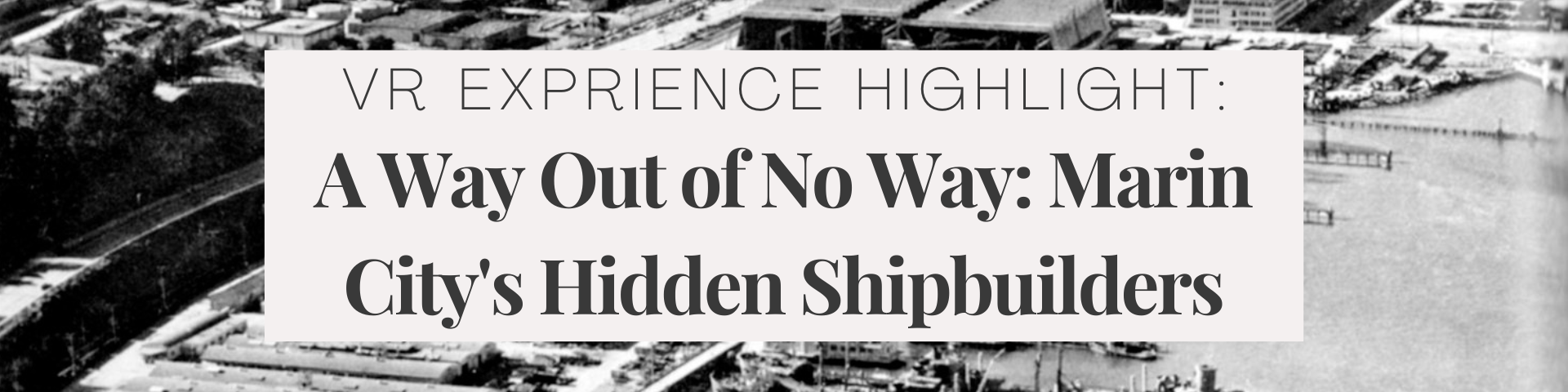
Stop by the library for a very special week of Drop-In VR featuring “A Way Out Of No Way: Marin City’s Hidden Shipbuilders” — this VR experience was created as a collaboration between XR Libraries, Marin County Free Libraries, and Marin City’s Performing Stars. This is a simple VR experience lasting about ten minutes that does not require any previous knowledge of VR equipment.
Patrons must be aged 13+ to use the VR equipment and should familiarize themselves with our VR Policy and FAQs.
This is a hands-on workshop – Ideally, participants should have DNA test results. Each participant will be working on a laptop or tablet of their own as we walk through the basics of using DNA test results to advance their genealogy. 15 people maximum.
We will work with 23 and me, FamilyTreeDNA, Gedmatch, DNA Painter, and MyHeritage.
Presented by genealogists from the Marin County Genealogical Society.
This is a hands-on workshop – ideally, participants should have Ancestry DNA test results. Each participant will be working on a laptop or tablet of their own as we walk through the basics of using Ancestry DNA. 15 people maximum.
Participants will:
Review their Ethnicity Estimate and DNA Communities
Learn how to connect their DNA to a family tree
Create Color Coded – Custom DNA Groups
Review matches and shared matches
Presented by genealogists from the Marin County Genealogical Society.
Learn about the other DNA testing sites and why you will want to consider testing or transferring your existing test. We will cover 23 and me, FamilyTreeDNA, Gedmatch, and MyHeritage. Additionally, there are several third party websites that provide valuable tools for your DNA Analysis.
Presented by genealogists from the Marin County Genealogical Society.
You’ve tested your DNA at Ancestry.com, now learn what it all means. Your DNA will unlock a wealth of information about you and your ancestors. Your ethnicity often includes regional detail and modern migration information. You will have 1000s of DNA matches to research – people who share a common ancestor with you, some quite recent and some will be distant, Ancestry has tools to help you discover how you connect.
Presented by genealogists from the Marin County Genealogical Society.
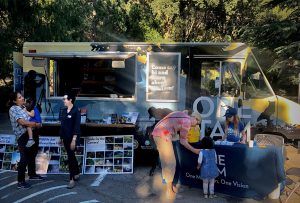
A ranger from One Tam will join us to share nature-related storybooks and songs, as well as information about the flora and fauna of our local open spaces.
Un guardabosques de One Tam nos compartirán cuentos y canciones relacionados con la naturaleza, así como información sobre la flora y la fauna de nuestros recursos naturales locales.
To sign up, please email Lea at lea.aschkenas@cityofsanrafael.org or call 415-485-3336.
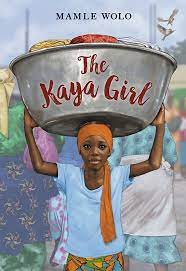
Like reading? Like learning about life in other places and times? We’ve got just the club for you! Join us for our Books Beyond Borders book club in which we’ll travel through time and place to better understand our present world. Each month, read the selected book (limited free copies available, otherwise check yours out at the library) and then we’ll meet to discuss it, sample some related food and maybe music, and do a fun related craft or writing activity. Occasional special guests will include the book’s author or a visitor from the culture or time we’ve read about.
In person outside the Pickleweed Library, weather and public health situations permitting.
To sign up, please email Lea at lea.aschkenas@cityofsanrafael.org or call 415-485-3336.
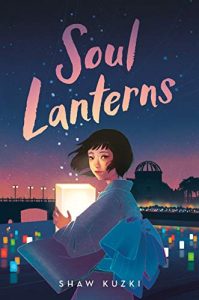
Like reading? Like learning about life in other places and times? We’ve got just the club for you! Join us for our Books Beyond Borders book club in which we’ll travel through time and place to better understand our present world. Each month, read the selected book (limited free copies available, otherwise check yours out at the library) and then we’ll meet to discuss it, sample some related food and maybe music, and do a fun related craft or writing activity. Occasional special guests will include the book’s author or a visitor from the culture or time we’ve read about.
In person outside the Pickleweed Library, weather and public health situations permitting.
To sign up, please email Lea at lea.aschkenas@cityofsanrafael.org or call 415-485-3336.
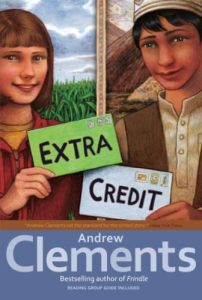
Like reading? Like learning about life in other places and times? We’ve got just the club for you! Join us for our Books Beyond Borders book club in which we’ll travel through time and place to better understand our present world. Each month, read the selected book (limited free copies available, otherwise check yours out at the library) and then we’ll meet to discuss it, sample some related food and maybe music, and do a fun related craft or writing activity. Occasional special guests will include the book’s author or a visitor from the culture or time we’ve read about.
In person outside the Pickleweed Library, weather and public health situations permitting.